The Years, Reimagined
The Years, Reimagined
Artist
Lauren Safier, Yeonho Lee, Samantha Zhuang
Year
2023
Medium
Books
Dimensions
178 (H) x 15 (W) x 107 (L) mm
Description
Exemplar: The Years by Annie Ernaux
Genre: Autobiographical Novel / Collective Autobiography
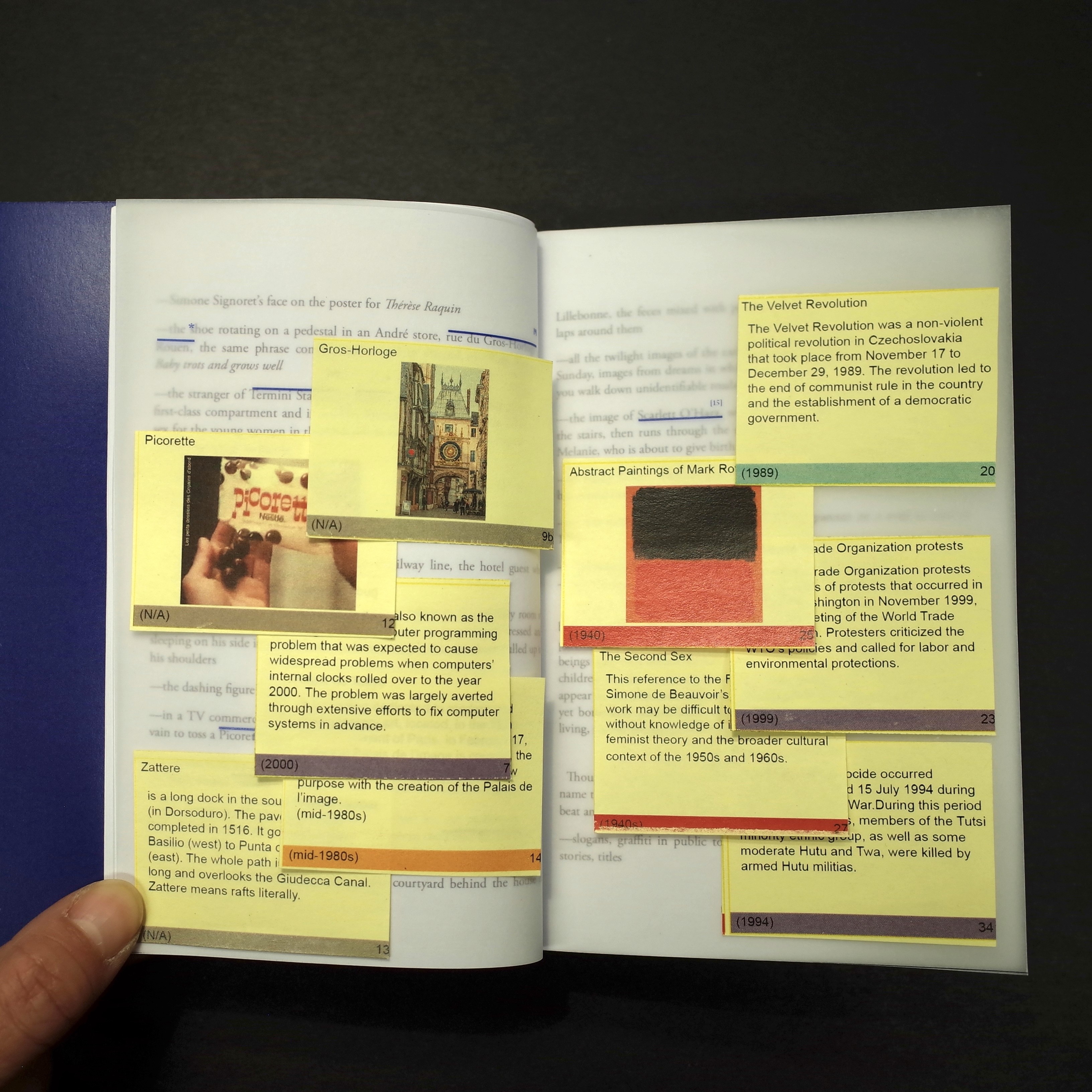
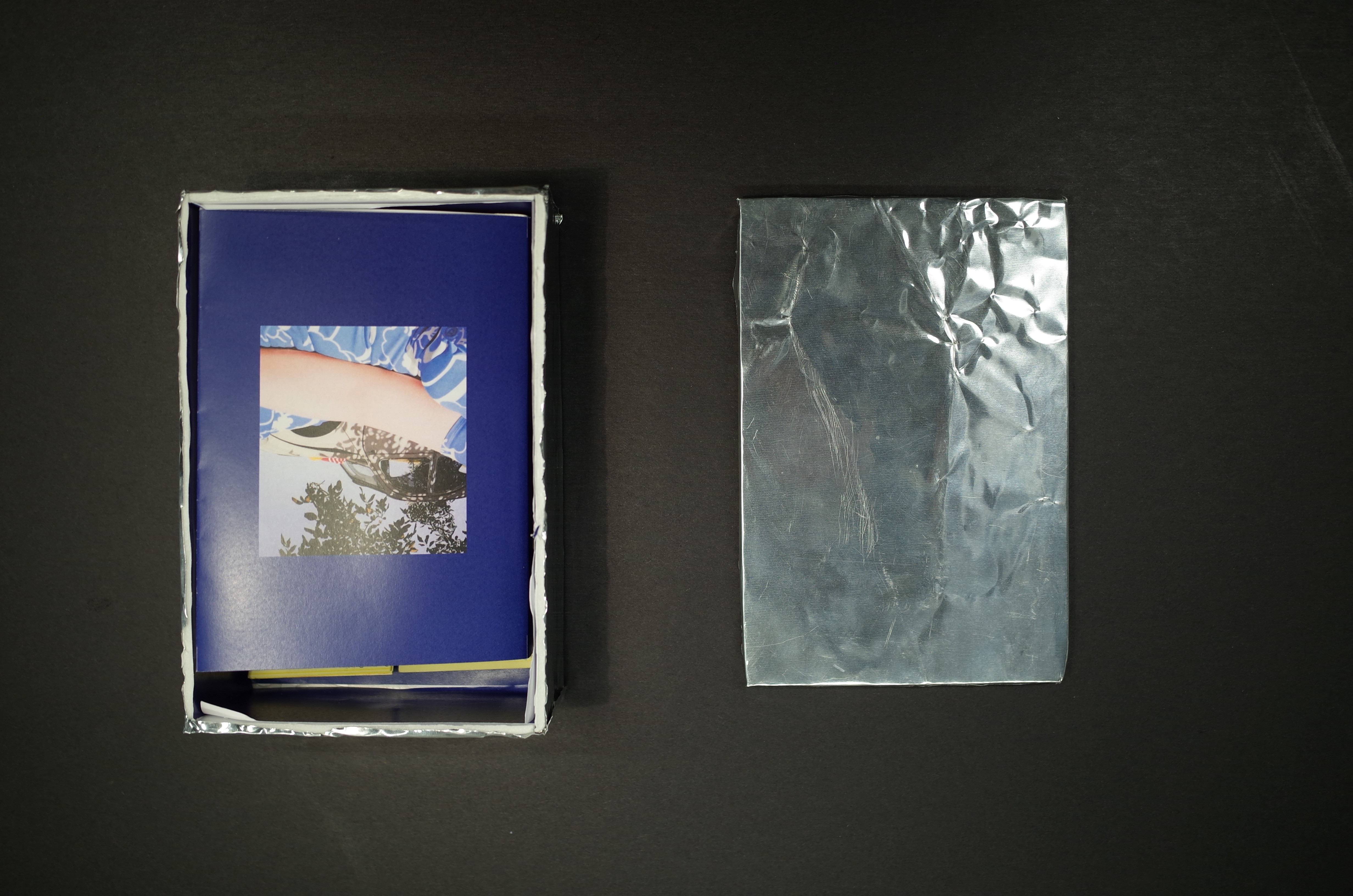
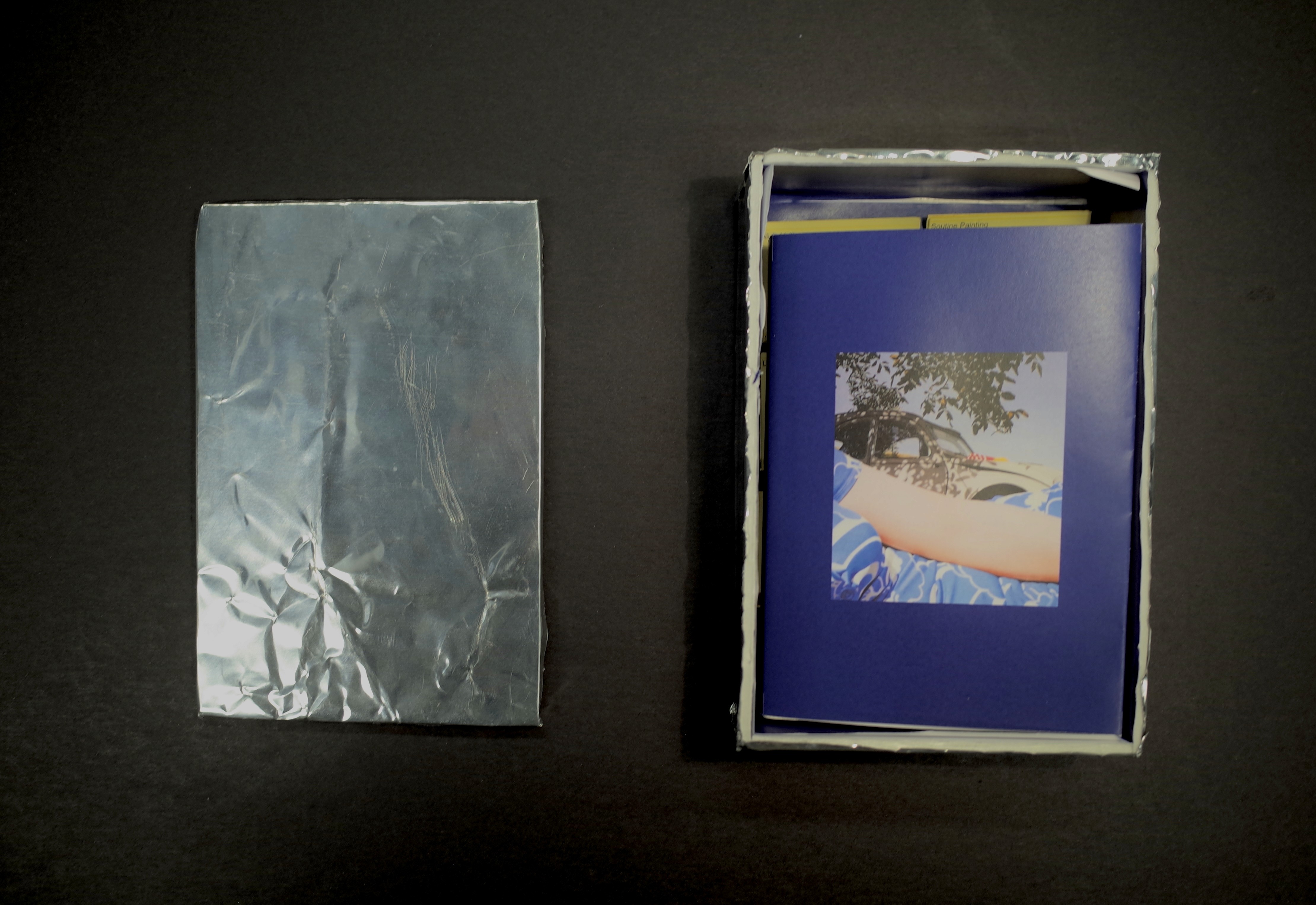
Our project reimagines the traditional paperback format of Annie Ernaux’s The Years to bridge the gap between mid-century narrative and the modern "digital" brain. While Ernaux’s work is a masterpiece of collective memory, its dense weaving of French cultural references—songs, slogans, and political shifts—often triggers an "urge to Google," leading to digital distraction and a break in the reading experience.
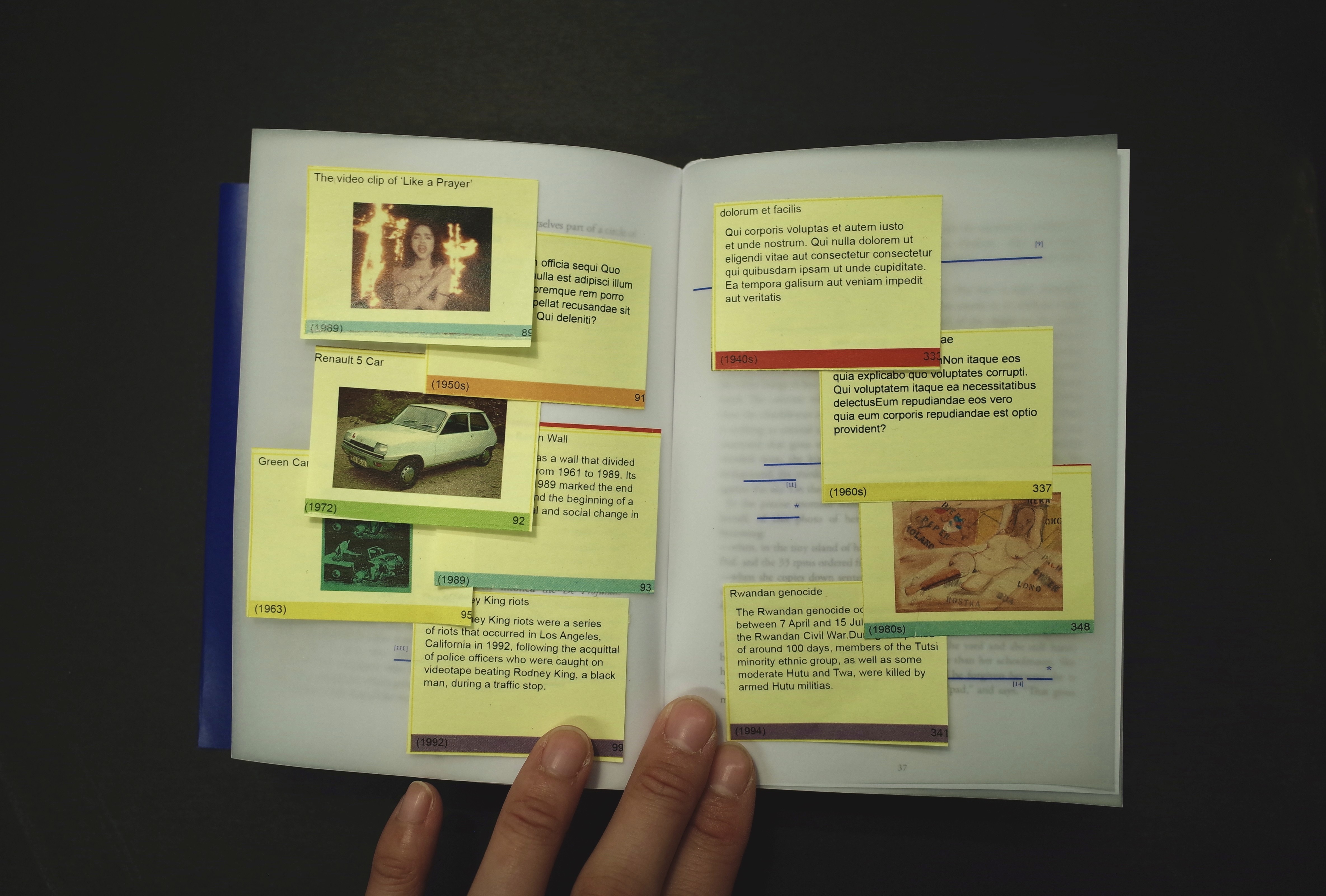
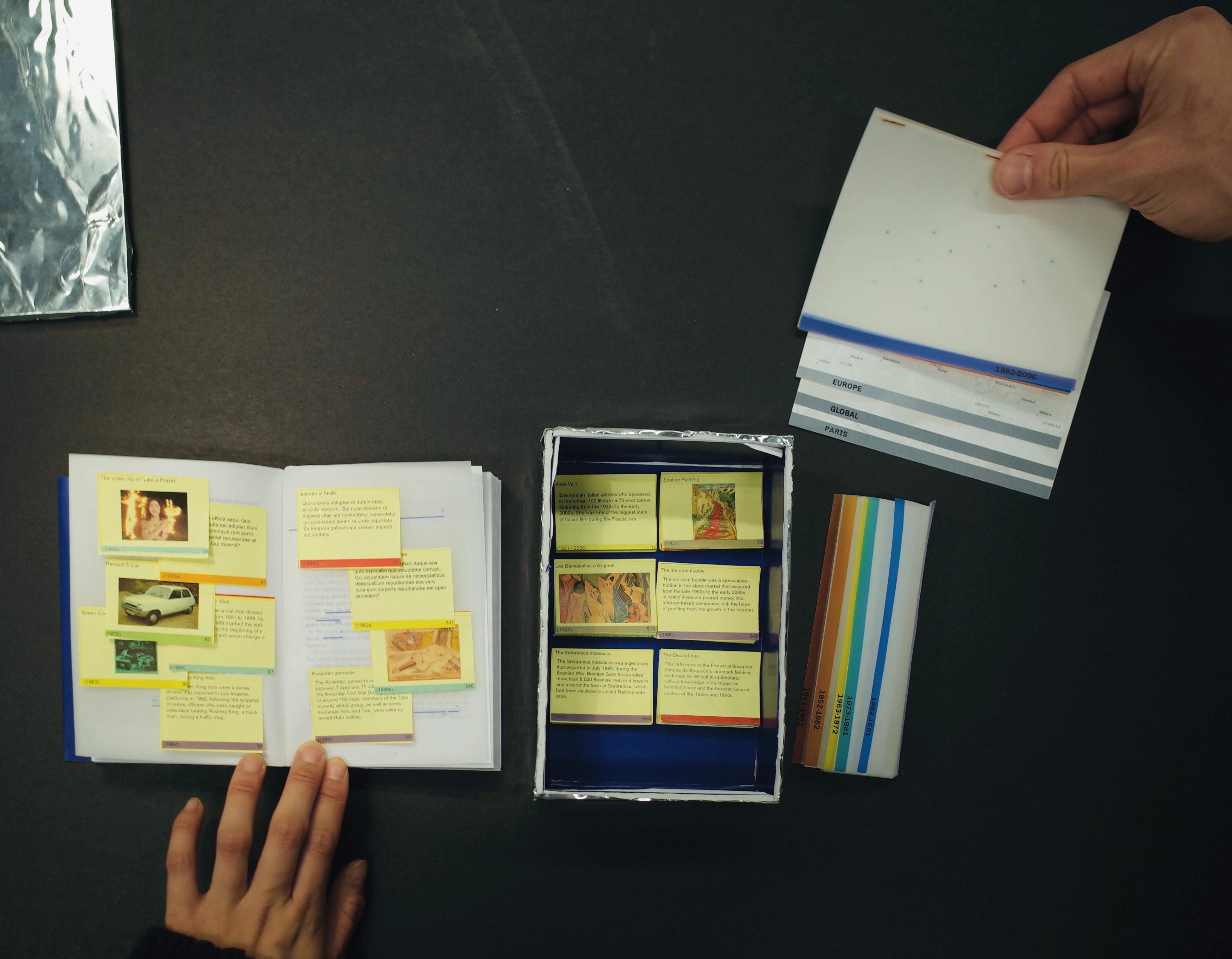
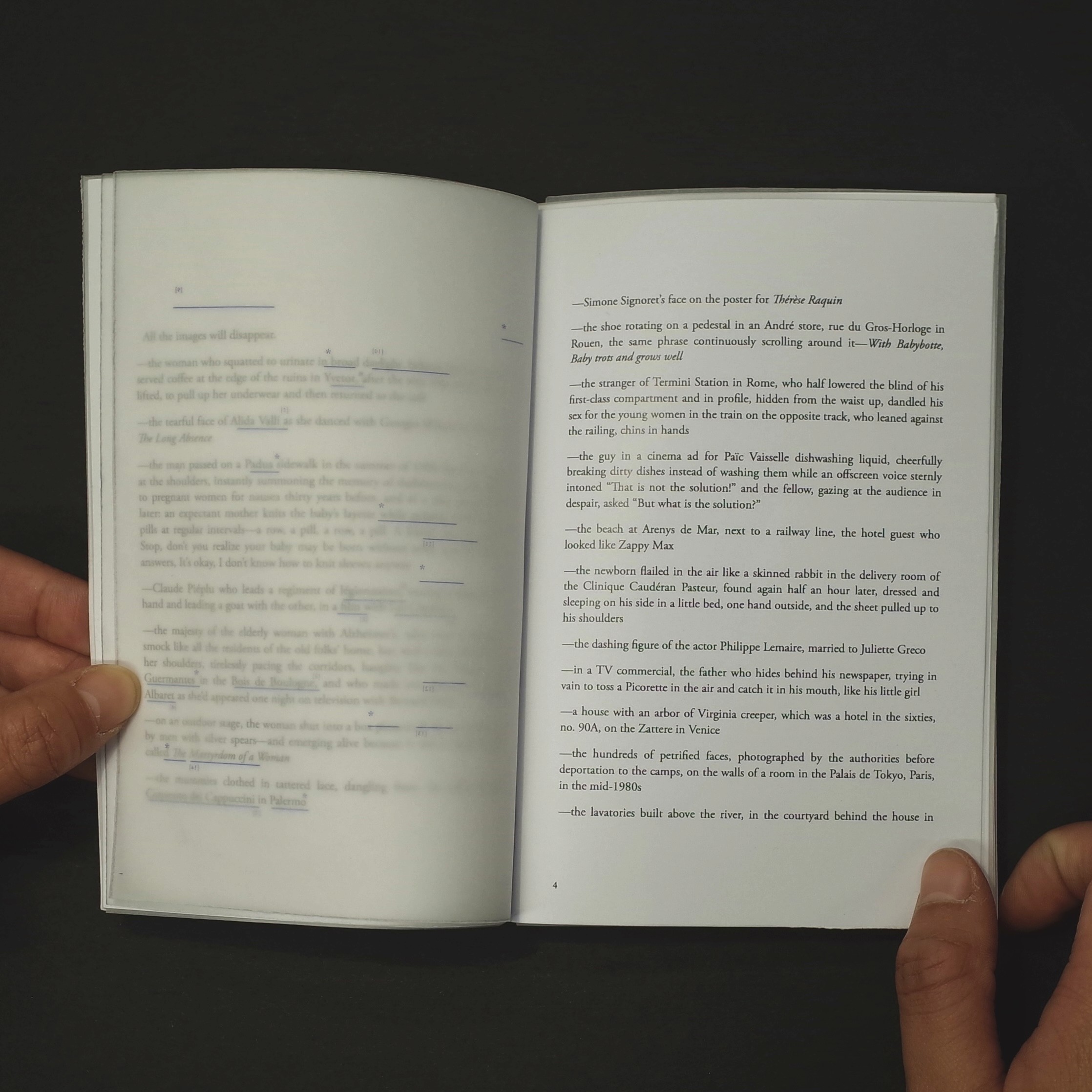
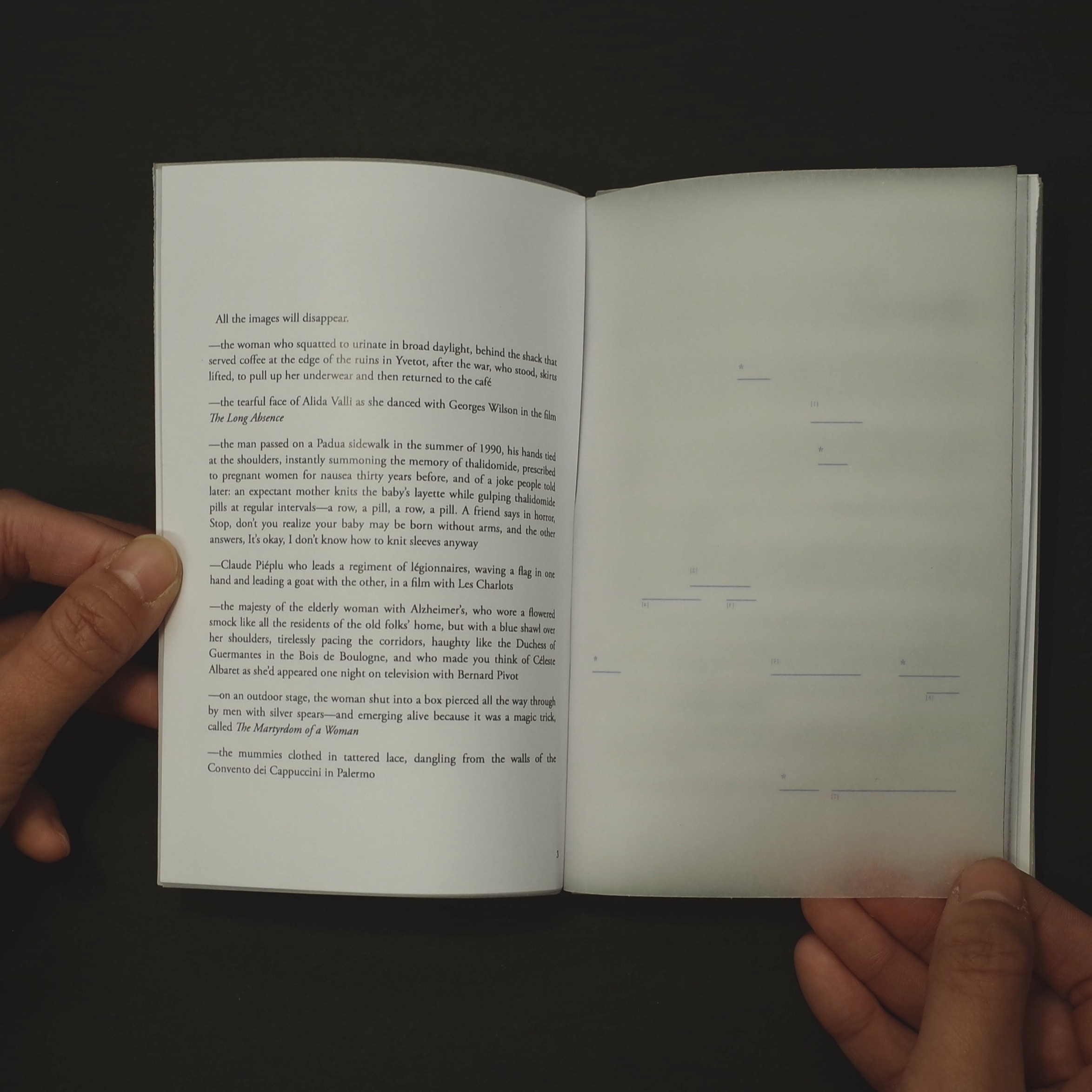
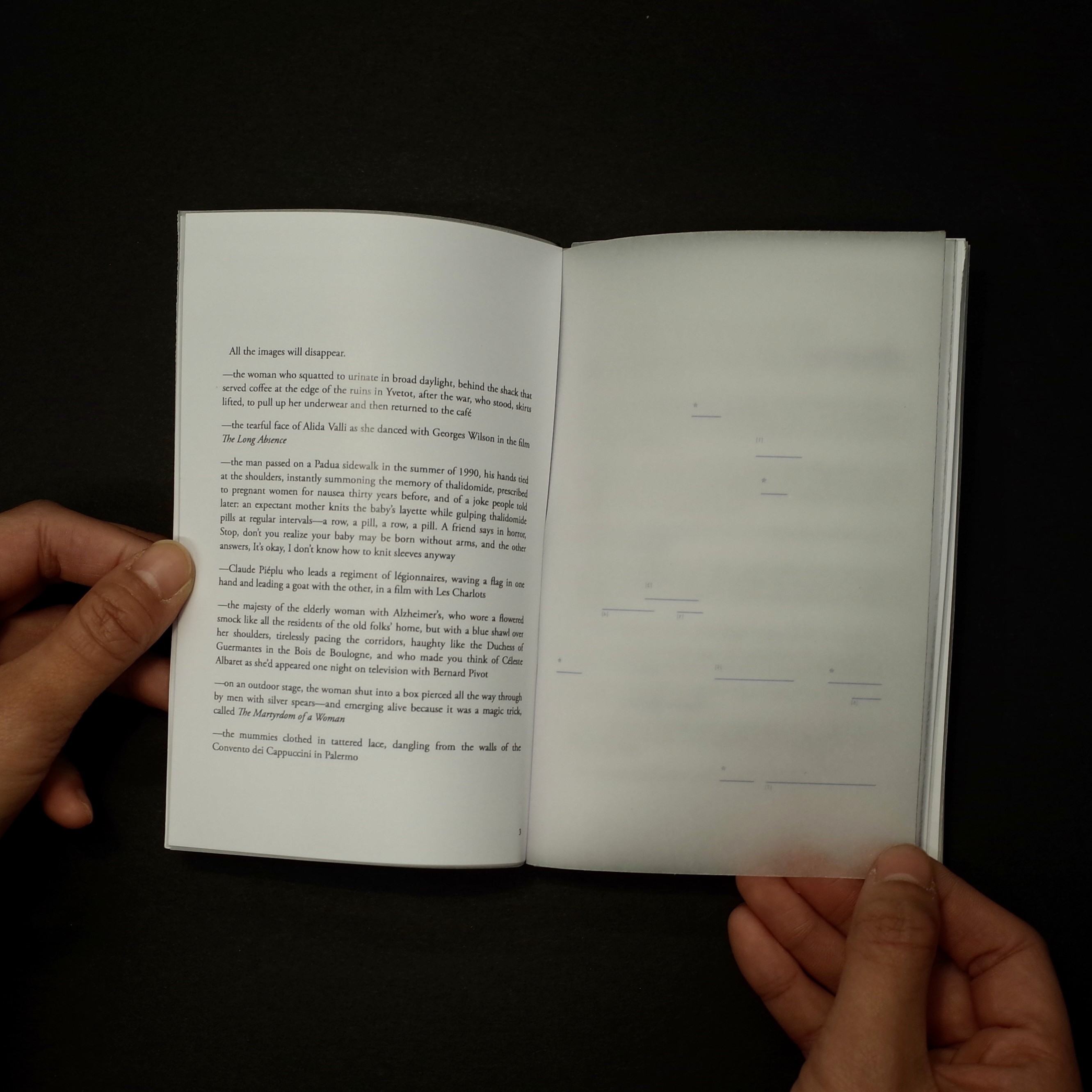
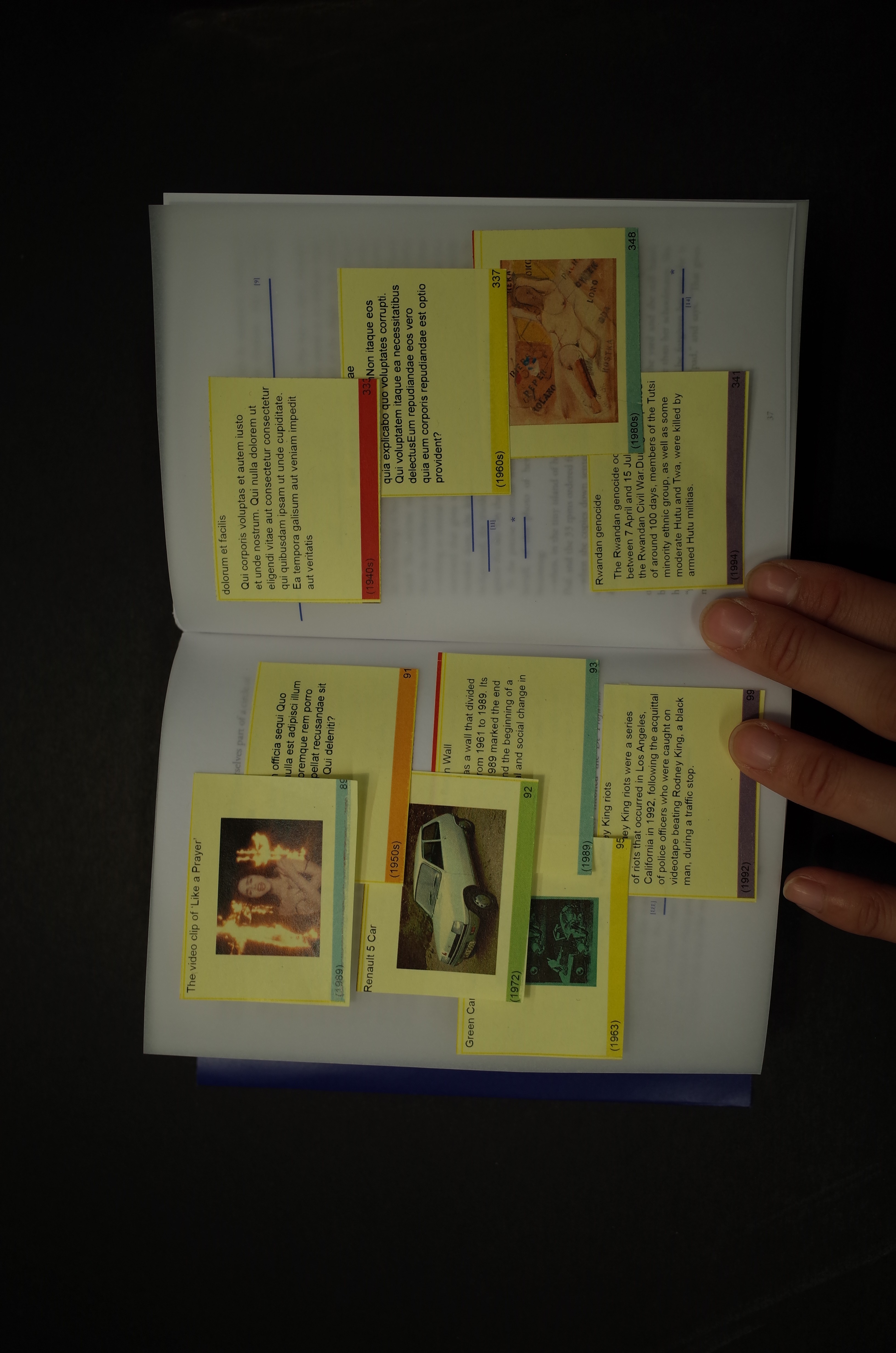
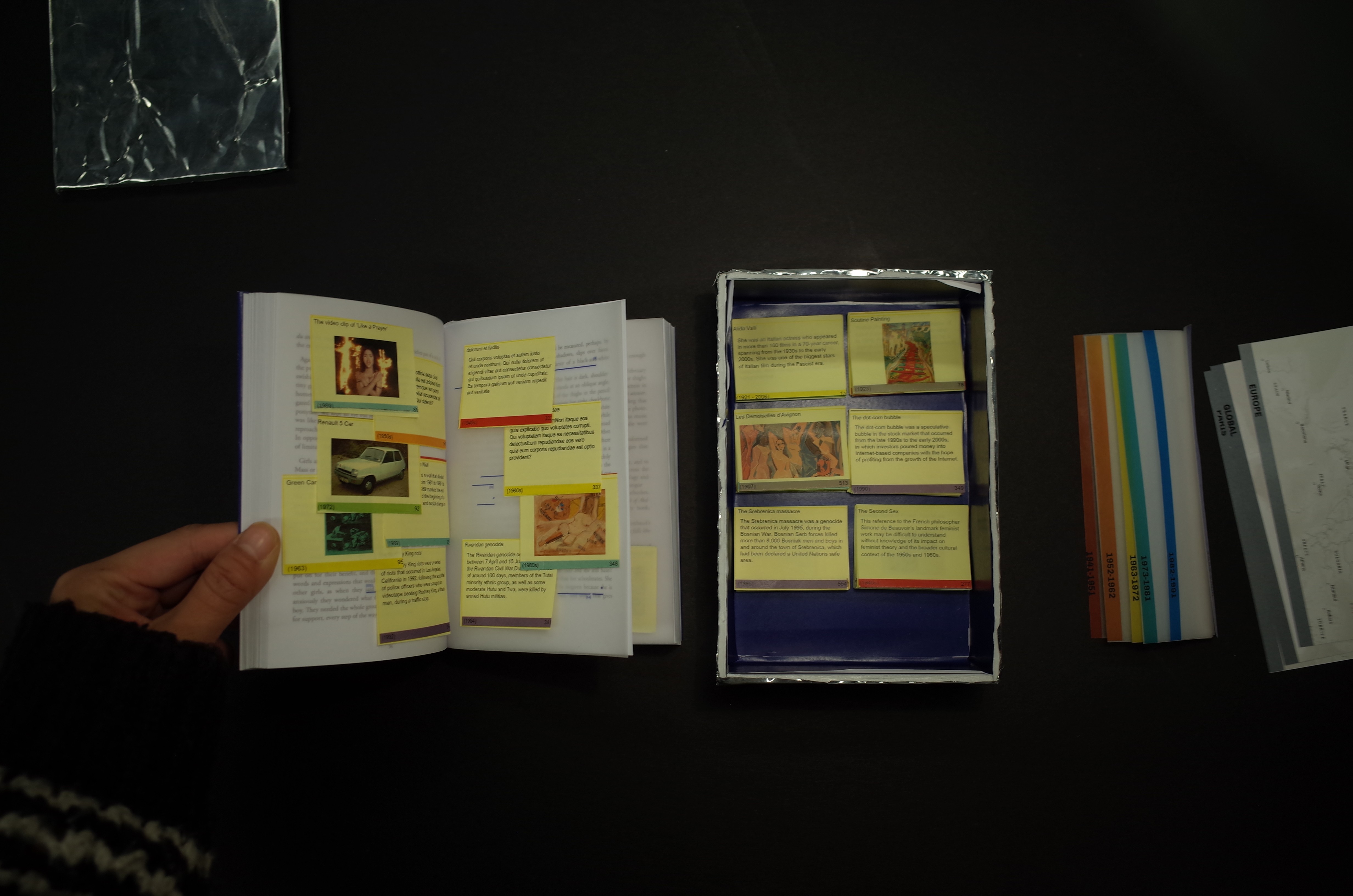
We propose a physical hyperlink system that facilitates "good distraction." By integrating vellum overlays between every two-page spread, we provide an additional layer of additive information. This vellum serves two purposes:
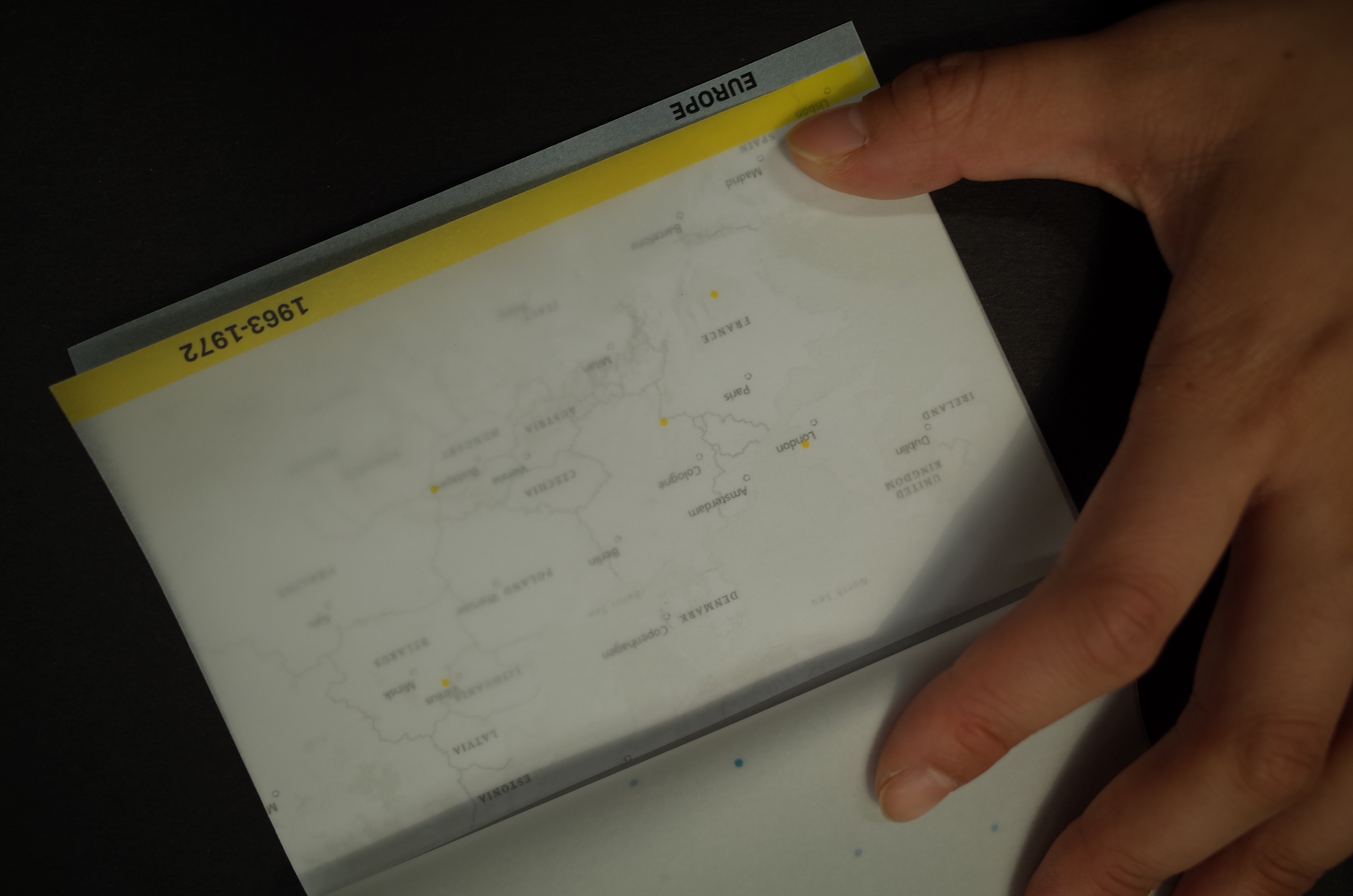
Selective Focus: It semi-translucently dilutes the text on the opposite page, allowing the reader to focus on a single page at a time.
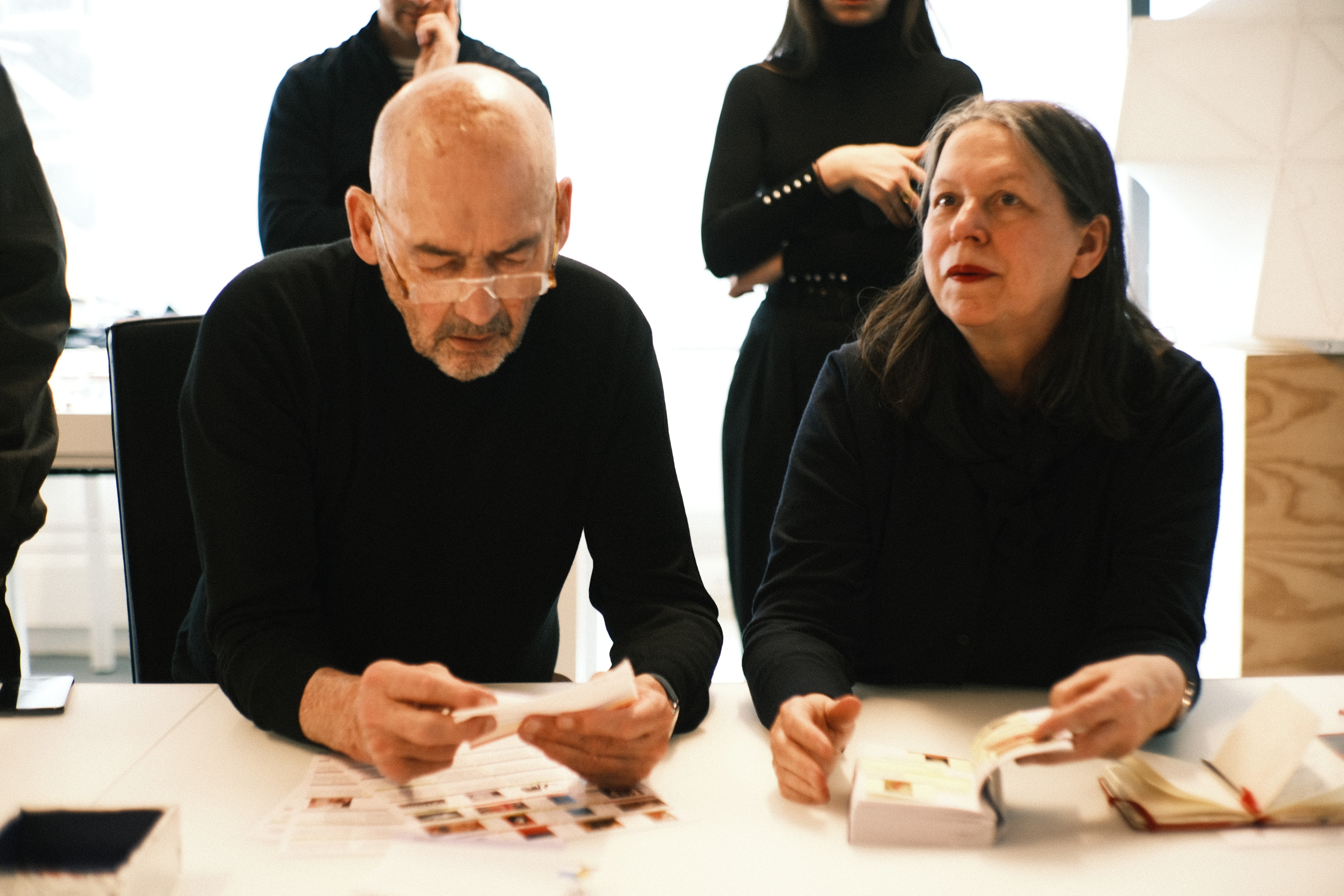
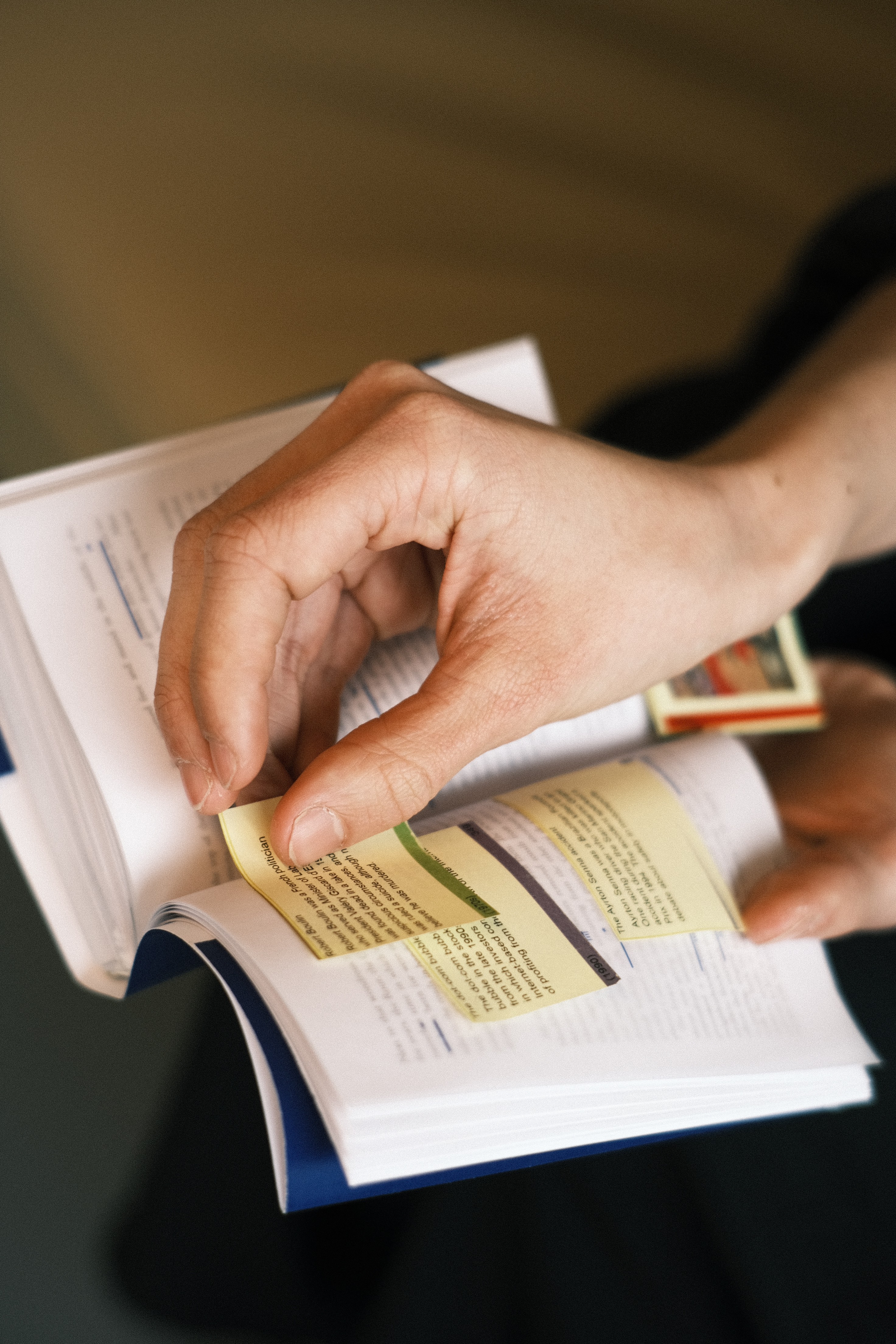
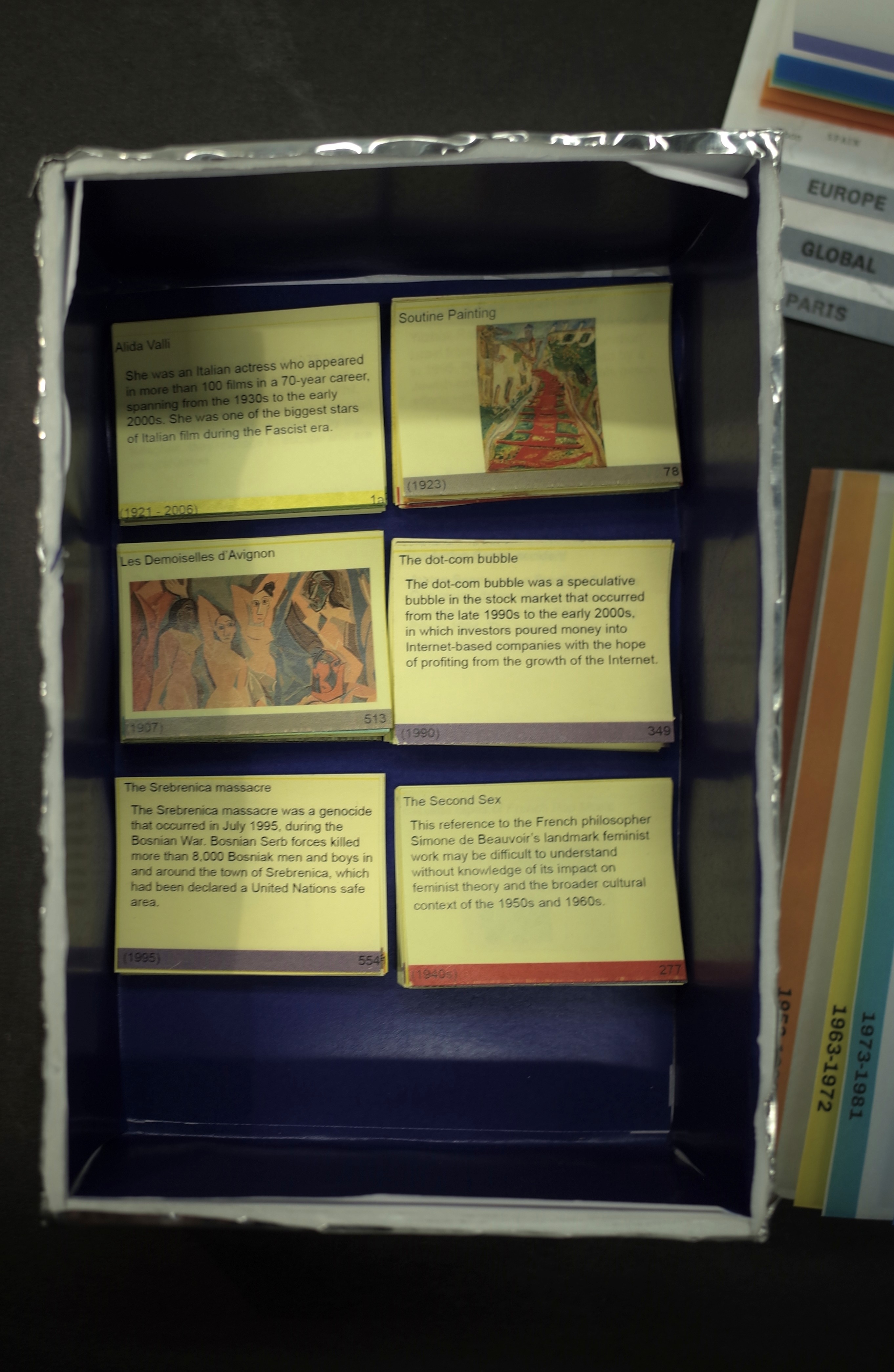
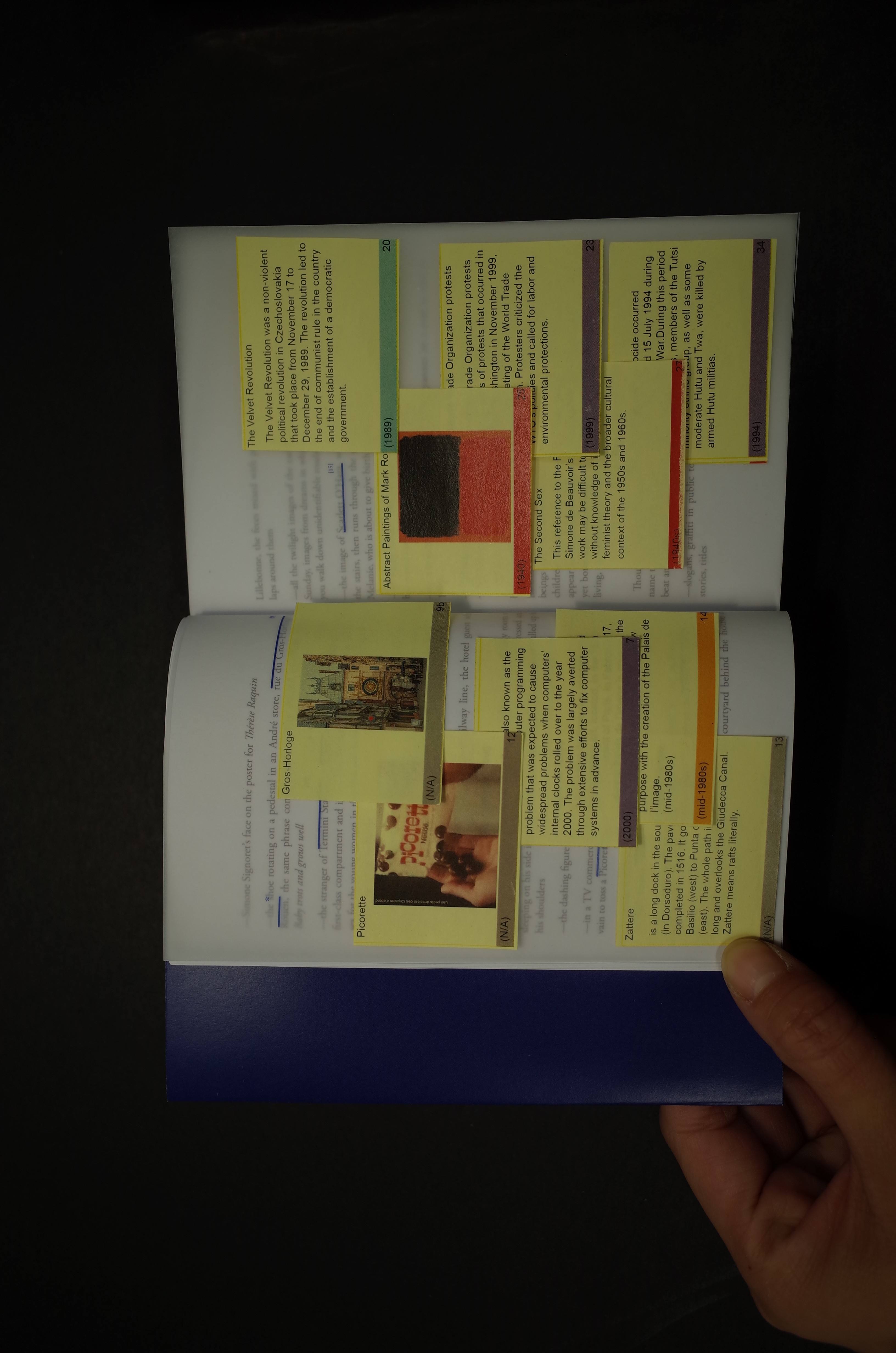
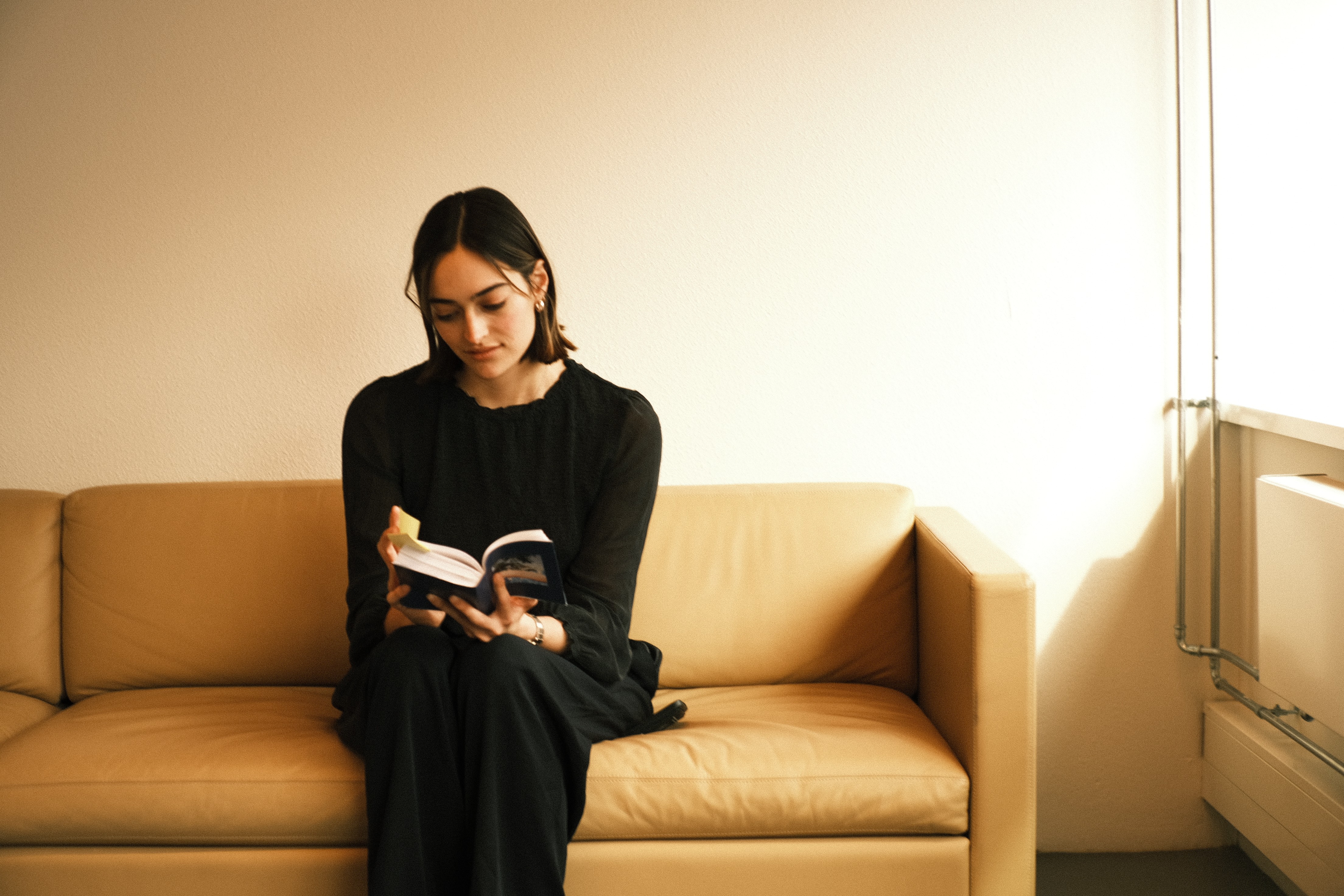
The Physical Link: Using Post-it notes and annotations on the vellum, readers can "click" (interact with) a reference. The information is entirely additive—it doesn't extract meaning for the reader but provides the context necessary to stay immersed in Ernaux’s world without reaching for a phone.
The intervention is rounded out by a chronological map bookmark. Since the novel spans six decades (1940s–2000s) and shifts between "she" and "we," the bookmark acts as a grounding tool, layering time and space to help the reader navigate the "slippery narrative."
Our redesign mimics the very structure of the book. Just as Ernaux layers her personal life over French history, our design layers the reader's interaction over the printed text.
The Vellum Layer: Mimics the "palimpsest" nature of memory.
The Post-it Intervention: Allows for a "collective vs. individual" narrative. The reader adds the collective history (the reference) to their individual copy.
The Goal: To create a "Novel Renaissance" where the physical book adopts the rewards of the digital interface (curiosity and discovery) without its fragmentation.
The Hyper-Analog Novel is a book format that integrates non-linear, additive layers of information into a traditional codex. By utilizing translucent substrates and modular inserts, it translates the "hyperlink" logic of digital interfaces into a tactile environment. It is designed specifically for "collective narratives"—texts where the setting and cultural context are as vital as the plot. This typology transforms the act of reading from passive consumption into an act of "engaged distraction," where the reader physically assembles the context of the story as they progress.
Gallery



Description
Exemplar: The Years by Annie Ernaux
Genre: Autobiographical Novel / Collective Autobiography
Our project reimagines the traditional paperback format of Annie Ernaux’s The Years to bridge the gap between mid-century narrative and the modern "digital" brain. While Ernaux’s work is a masterpiece of collective memory, its dense weaving of French cultural references—songs, slogans, and political shifts—often triggers an "urge to Google," leading to digital distraction and a break in the reading experience.
We propose a physical hyperlink system that facilitates "good distraction." By integrating vellum overlays between every two-page spread, we provide an additional layer of additive information. This vellum serves two purposes:
Selective Focus: It semi-translucently dilutes the text on the opposite page, allowing the reader to focus on a single page at a time.
The Physical Link: Using Post-it notes and annotations on the vellum, readers can "click" (interact with) a reference. The information is entirely additive—it doesn't extract meaning for the reader but provides the context necessary to stay immersed in Ernaux’s world without reaching for a phone.
The intervention is rounded out by a chronological map bookmark. Since the novel spans six decades (1940s–2000s) and shifts between "she" and "we," the bookmark acts as a grounding tool, layering time and space to help the reader navigate the "slippery narrative."
Our redesign mimics the very structure of the book. Just as Ernaux layers her personal life over French history, our design layers the reader's interaction over the printed text.
The Vellum Layer: Mimics the "palimpsest" nature of memory.
The Post-it Intervention: Allows for a "collective vs. individual" narrative. The reader adds the collective history (the reference) to their individual copy.
The Goal: To create a "Novel Renaissance" where the physical book adopts the rewards of the digital interface (curiosity and discovery) without its fragmentation.
The Hyper-Analog Novel is a book format that integrates non-linear, additive layers of information into a traditional codex. By utilizing translucent substrates and modular inserts, it translates the "hyperlink" logic of digital interfaces into a tactile environment. It is designed specifically for "collective narratives"—texts where the setting and cultural context are as vital as the plot. This typology transforms the act of reading from passive consumption into an act of "engaged distraction," where the reader physically assembles the context of the story as they progress.
Gallery